Window Screen Replacement: A Comprehensive Guide
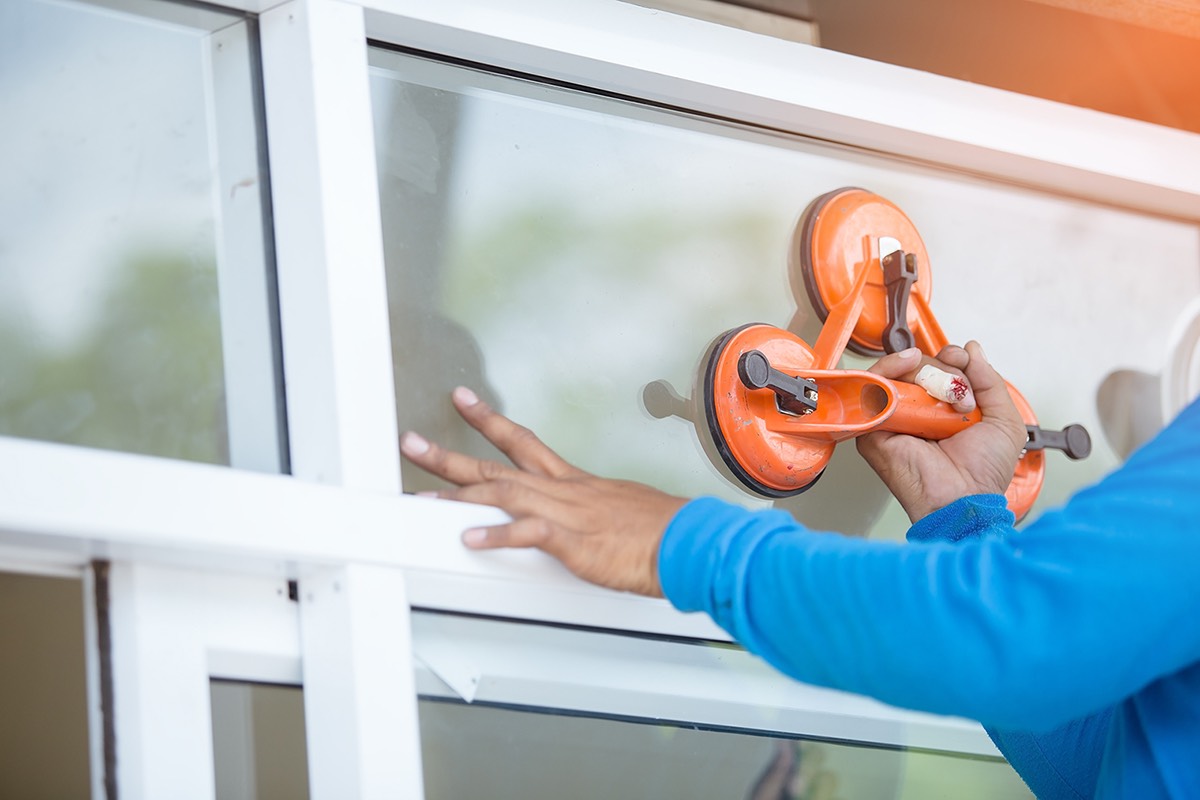
Replacing a torn or harmed window screen is a simple DIY job that can conserve a house owner a substantial quantity of cash and ensure that the home remains safeguarded from insects and debris. Whether you have a basic rectangular window or a more complex shape, the procedure of replacing a window screen is normally the exact same. This short article offers a comprehensive guide on how to replace a window screen, consisting of the tools needed, the step-by-step process, and some regularly asked questions.
Tools and Materials Needed
Before you begin, collect the following tools and products:
- Replacement Screen Material: Mesh material (fiberglass, aluminum, or pet-resistant)
- Screen Spline: The rubber strip that holds the screen in place
- Spline Roller Tool: A specialized tool for setting up the spline
- Utility Knife: For cutting the screen product and spline
- Measuring Tape: To measure the measurements of the old screen
- Scissors: For trimming excess material
- Pliers: For eliminating old spline
- Screen Frame: If the frame is damaged, you might need a new one
- Sandpaper: For smoothing rough edges on the frame
- Masking Tape: To safeguard the edges of the frame
- Cleaning Supplies: To clean up the frame before setup
Step-by-Step Guide to Replacing a Window Screen
Remove the Old Screen
- Find the Spline: The spline is the rubber strip that holds the screen in place. It is generally discovered around the perimeter of the screen.
- Remove the Spline: Use pliers to thoroughly take out the old spline. Be gentle to avoid harming the frame.
- Remove the Screen: Once the spline is out, the old screen should come out easily. Dispose of it correctly.
Examine the Frame
- Examine for Damage: Examine the screen frame for any cracks, warping, or rust. If the frame is damaged, you might require to replace it.
- Clean the Frame: Use a wet fabric and mild cleaning agent to clean the frame. Get rid of any dirt, dust, or particles.
- Smooth Rough Edges: Use sandpaper to smooth any rough or sharp edges on the frame. This will make it easier to install the brand-new screen and make sure a clean surface.
Step the Frame
- Procedure the Inside Dimensions: Use a measuring tape to determine the within dimensions of the screen frame. This will offer you the precise size you require for the new screen.
- Mark the Measurements: Write down the measurements and utilize them to cut the new screen product.
Cut the Replacement Screen
- Lay Out the Screen Material: Place the replacement screen product on a flat surface area.
- Mark the Cut Lines: Use a pencil to mark the cut lines based upon the measurements you took.
- Cut the Screen: Use an energy knife to cut the screen material along the marked lines. Leave about 1-2 inches of additional product around the edges for setup.
Install the New Screen
- Fit the Screen into the Frame: Place the new screen product over the frame, ensuring it is focused and smooth.
- Install the Spline: Use the spline roller tool to push the brand-new spline into the frame. Start at one corner and work your method around the border, making certain the screen is tight and evenly tensioned.
- Trim Excess Material: Once the spline is in place, use an energy knife to trim any excess screen material. Be cautious not to cut the spline or the frame.
Reattach the Screen to the Window
- Align the Screen: Place the screen back into the window frame, guaranteeing it is aligned properly.
- Secure the Screen: If your window has retention clips, use them to protect the screen. If not, the spline must hold it in place.
- Check the Fit: Make sure the screen is securely in location which it opens and closes efficiently.
FAQs About Window Screen Replacement
1. How often should I replace my window screens?
- Window screens usually last 5-10 years, depending on the product and usage. Nevertheless, if you notice tears, sagging, or damage, it's a good idea to replace them faster to preserve their effectiveness.
2. Can I replace the screen material without replacing the entire frame?
- Yes, you can replace the screen product without replacing the entire frame. This is an economical option if the frame is still in excellent condition.
3. What type of screen material should I use?
- Fiberglass: Durable and easy to deal with, ideal for a lot of applications.
- Aluminum: Stronger and more resistant to tearing, suitable for high-traffic areas.
- Pet-Resistant: Reinforced to stand up to pet claws, a great option if you have pets.
4. How do I know if my screen frame is harmed?
- Try to find cracks, warping, or rust. If the frame is no longer straight or has considerable damage, it may require to be replaced.
5. Can I install a larger screen material than the original?
- It's best to adhere to the initial size to make sure an appropriate fit. However, if you need a slightly larger piece, you can trim it down to fit.
6. How do I cut the spline?
- Use an utility knife to cut the spline. Make sure to cut it to the exact length needed for each side of the frame.
7. What if the screen frame is metal?
- The procedure is the very same for metal frames. Nevertheless, you may need to be more careful when sanding and cleaning to avoid scratching the metal.
Tips for a Successful Window Screen Replacement
- Use Masking Tape: Apply masking tape to the edges of the frame before installing the spline. This can assist avoid the frame from splintering or cracking.
- Work Slowly: Take your time when setting up the spline to guarantee the screen is tight and uniformly tensioned.
- Check for Obstructions: Before installing the brand-new screen, examine the window frame for any blockages that might prevent the screen from fitting appropriately.
- Think about Upgrades: If you have family pets or children, think about upgrading to a pet-resistant or more powerful material for added durability.
- Regular Maintenance: Clean your window screens frequently to extend their life-span and keep them operating correctly.
Changing a window screen is a manageable DIY project that can enhance the look and functionality of your home. By following these steps and ideas, you can effectively replace a harmed screen and enjoy the advantages of a fresh, brand-new screen. Whether you choose a standard fiberglass mesh or a more durable pet-resistant product, the procedure is simple and can be finished with a few standard tools. Repair My Windows And Doors and prompt replacements will make sure that your windows remain insect-free and well-ventilated for many years to come.
Additional Resources
- Home Depot: Offers a large range of screen materials and tools.
- ** Lowe's **: Provides comprehensive tutorials and guides for DIY projects.
- ** YouTube **: Search for video tutorials on screen replacement for visual guidance.
By taking the time to replace your window screens, you can maintain the comfort and security of your home while conserving cash on professional repairs.